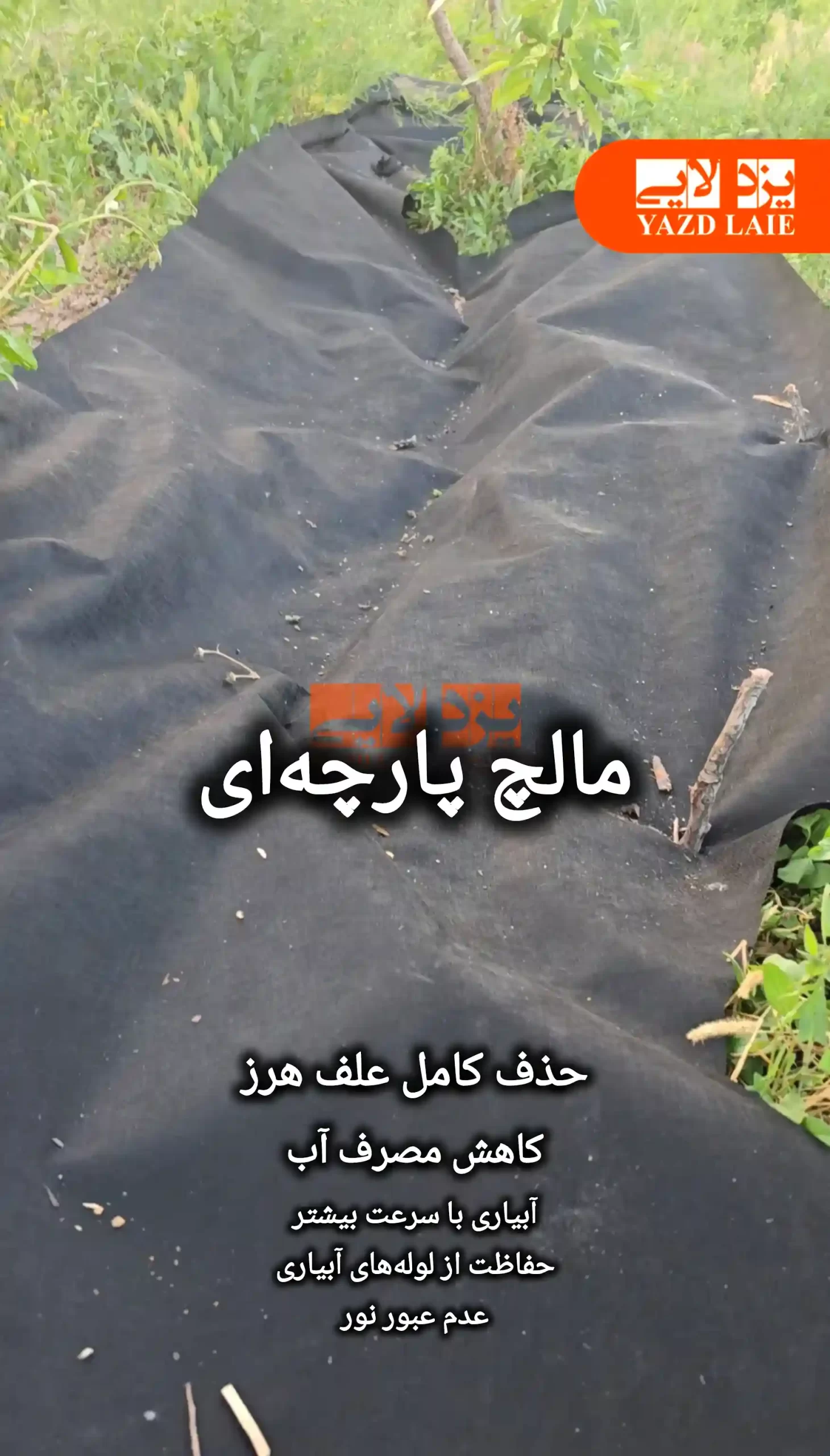
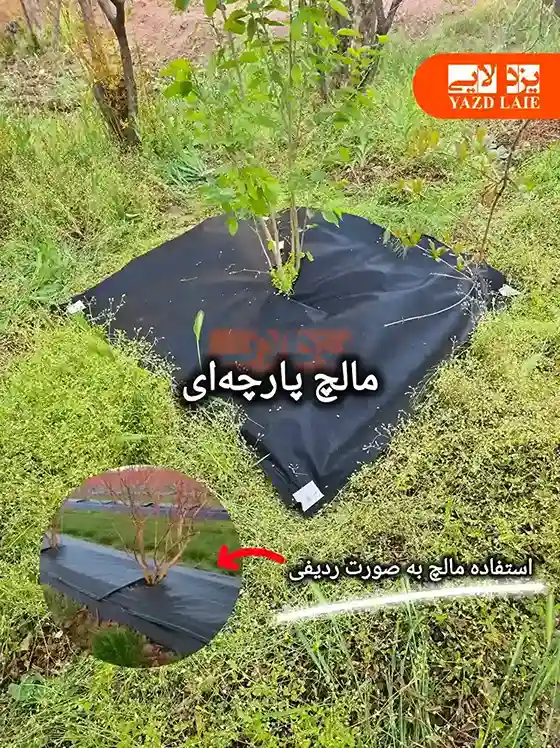
Mulch:
Mulch refers to the materials or coverings used in agriculture, especially organic farming, to cover the soil surface.
Applications of Mulch:
- Use of mulch in greenhouses
- Use of mulch in orchards
- Use of mulch in vegetable and fruit farms
- Use of mulch in flower farms
- Use of mulch in medicinal plant farms
Benefits of Using Mulch:
- Mulch helps retain soil moisture by reducing the plant’s water needs when fabric mulch is laid on the ground.
- Mulch reduces weed growth by blocking sunlight from reaching weeds, as black mulch absorbs all light and prevents it from passing through.
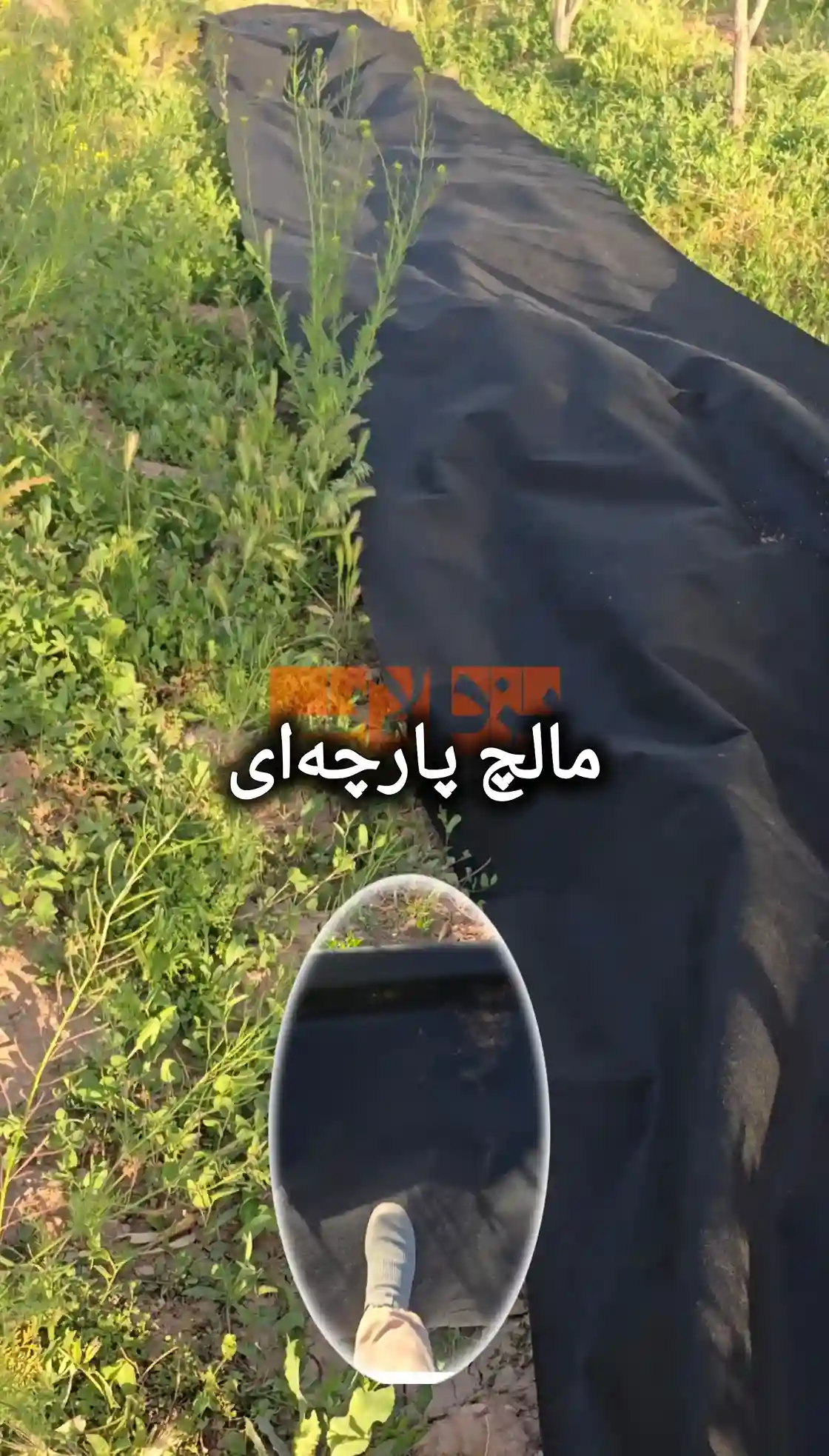
- Mulch improves soil temperature by maintaining a balanced temperature during day and night, preventing drastic temperature fluctuations.
- Mulch reduces costs by decreasing herbicide usage and ultimately improving the quality and taste of fruits.
Read more: Tomato Frost Protection Cover
- Mulch improves product quality for export with minimal cost by reducing pesticide and fungicide use, indicating that mulch has a significant impact on increasing export potential.
- Mulch prevents soil erosion by protecting the soil from raindrop impacts and abrasion caused by gardening tools.
- Mulch reduces the spread of fungal and bacterial diseases by acting as a physical barrier that prevents contaminated soil splashes from reaching fruits, leaves, and tree trunks.

Mulch and Cost Reduction:
- Using mulch eliminates expenses such as purchasing herbicides, labor for spraying chemicals, and tractor plowing before planting.
Using Mulch in Greenhouses:
- Preparing the growing bed for laying mulch
- Spreading mulch between planting rows
- Punching holes and cutting slits in the mulch for planting seedlings
- Installing drip irrigation systems under the mulch
- Planting crops into the mulch
Advantages of Fabric Mulch in Greenhouses:
- Fabric mulch reduces humidity in enclosed greenhouse environments.
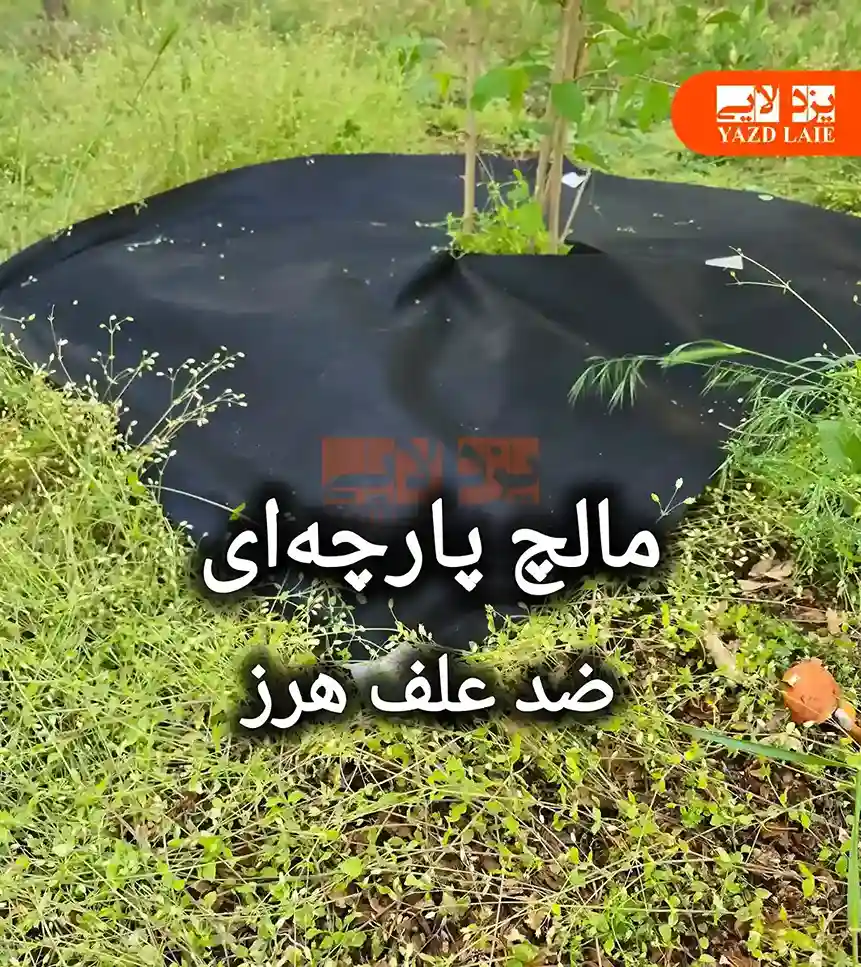
- Fabric mulch prevents weed growth between planting rows.
- Fabric mulch reduces the need for fungicides and eliminates herbicide use in greenhouses.
- At the end of the growing season, mulch should be collected.
-
Advantages of Fabric Mulch in Orchards:
- Fabric mulch retains soil moisture in orchards.
- Fabric mulch reduces weed growth in orchards.
- Fabric mulch reduces soil erosion in orchards.
- Mulch prevents thermal shock to soil particles by stabilizing soil temperature against sudden changes.
- Fabric mulch improves the health of orchard products.
- Fabric mulch enhances product quality for export and marketability.
Technical Specifications of Mulch:
- Material: Made from polypropylene
- Weight (GSM): Available in 60gsm and 90gsm
- Width: Available in widths of 1m, 1.1m, 1.2m, 1.5m, and 1.6m
- Length: Rolls are 1000 meters long
- Color: Anti-weed fabric mulch is only available in black due to its function of blocking sunlight to prevent weed growth
What Determines the Width and Weight of Mulch?
Type of crop, row spacing, geographical location, season of use, and cultivation method.
Mulch Sales:
Mulch is sold in Iran both retail and wholesale by manufacturers and agricultural input stores, either online or in person.

Largest Mulch Supplier in Iran:
Yazdlai Company is the largest manufacturer of anti-weed fabric mulch in the country. In addition to producing mulch, they also manufacture frost-resistant agricultural covers, heat-resistant covers, date palm cluster protection bags, and seedling fabric bags.
You can purchase fabric mulch directly from the factory even in single-roll quantities. The minimum order at this company is one roll, but due to the retail process, there is a 10% price increase on mulch.
Why is Anti-Weed Fabric Mulch Black?
The black color prevents sunlight from reaching weeds, thereby inhibiting their growth.
Factors That Increase the Durability of Fabric Mulch:
- Addition of UV-resistant materials to mulch
- Increase in mulch weight (GSM)
- Use of high-quality raw materials in production
- Proper and secure installation of mulch
- Avoid contact with agricultural equipment
- Cover mulch with gravel, leaves, straw, or wood chips
- Collect and store mulch during off-seasons
Proper Installation Method for Mulch:
- Level the soil properly.
- Apply required fertilizers to the land.
- Install the irrigation system before laying the mulch.
- Moisturize the soil before spreading the mulch so it sticks well.
- Stretch the mulch tightly over the bed to avoid wrinkles and fix the edges with U-shaped nails or plastic pegs.
- Create holes in the mulch for planting crops.
- If the mulch tears during the growing season, repair it promptly.