

Felting is an ancient art that transforms fabrics and woven structures into a creative and beautiful craft. Using felt, a traditional and historical type of fabric, this art brings unique creations to the world of handicrafts and fine arts. Felting is not only a traditional and cultural art but also recognized as a creative and inventive activity. With the expertise and innovation of artists, this craft produces a variety of products including clothing, home decorations, and other artworks, each telling a unique story of art and craftsmanship.
Felting is an art that has been recognized from the past to the present as a symbol of beauty and creativity in the world of handicrafts and continues to maintain itself as a living and progressive art in the modern world. Join us on this journey into the world of felting to learn about its history, production process, types of felt, and diverse applications.
Read more: Spunbond

What is Felting?
Felting is a handmade art and process full of creativity and artistry. It is made from wool or similar materials and uses special techniques to transform wool into various shapes and designs. Felting is an ancient manual process yet also a modern art filled with innovation.
Some characteristics of felting include:
- Sheep wool or even industrial fibers can be the main materials for felting. These materials are layered and connected together during the felting process.
- The felting process involves combining, pressing, and shaping the wool. This can be done in dry or wet methods, each producing different results and characteristics.
- Felting as a handmade art is used to produce artworks such as pictures, wall decorations, clothing, bags, and jewelry.
- One of the charms of felting is that people can design and create their own patterns and shapes using different colors and special techniques in the final design.
- Felting is used in various industries including fashion, interior decoration, handicrafts, and even art industries for producing diverse products.
- Combining beauty, art, and craftsmanship, felting attracts many enthusiasts and encourages artists to create unique and artistic works.
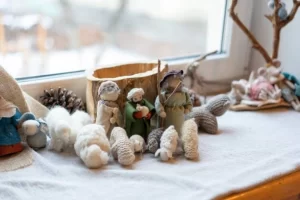
From Tradition to Modernity, the Story of a Beautiful Art
Felting is an ancient art with a long and widespread history, used in different civilizations and cultures. It seems to be one of the oldest handicrafts. The earliest signs of felting have been found in ancient civilizations such as Egyptian and Mesopotamian. At that time, felt was mainly used as an insulating material for clothing.
With the spread of Islamic civilization, felting art was transferred to countries and regions such as Iran, Turkey, Afghanistan, and Uzbekistan. In these regions, felting was enriched as an art and gradually became a popular decorative and craft art. During the Renaissance, felting was considered a luxury art, used to decorate clothes and cultural accessories. It became a symbol of artistic luxury for ruling figures.
In the Middle Ages, felting became a common skill for ordinary men and women and was used in making clothes and home decorations. During the Renaissance period, felting gained more popularity as a prominent artistic activity and hobby. In the twentieth century, felting revived as a contemporary art. Modern artists used felting as an artistic tool to create innovative works. This art evolved with new forms and techniques, enabling contemporary artists to create innovative pieces.
From ancient times to today, felting has been recognized not only as a handicraft but also as a creative and artistic skill worldwide.
Types of Felting Methods
Felting is a creative handmade art that involves combining wool and special techniques. These techniques help shape wool and create different designs and structures through felting. Below are some common felting techniques:
- Dry Felting
In this method, raw wool fibers are connected together using special felting needles. The needles have barbs that, with repetitive motions, press the wool and cause it to interlock. This technique is used for creating three-dimensional objects and various shapes.
- Wet Felting
In this method, wool is combined with water and soap, then pressed, rubbed, or rolled to create the felted connection. This is used for making fabrics, clothing, and other items.
- Felting with a Mold
In this technique, wool mixed with water and soap is placed inside a special mold and then pressed. This process helps form a more precise final product.
- Nuno Felting (Felting with Colored Surfaces)
This felting technique combines wool with colored surfaces. The wool and surfaces blend and then are combined using felting needles or pressing.
- Pot Felting
In this technique, a pot is used as an auxiliary tool for felting. The wool and other needed materials are placed inside the pot and combined with heat and pressure.
- Use of Fibers and Additives:
Felting artists may add various fibers, fabrics, or other additives to their projects to create unique effects and designs. The combination of these techniques and the artist’s creativity leads to beautiful and unique felting works.
Read more: Interlining

Advantages and Disadvantages of Felting
- Advantages
Besides being a beautiful and creative art, felting has various benefits for individuals and society. Some advantages include:
- Creativity and Art:
Felting is a creative and artistic activity that allows people to develop their creativity and artistic talents. Creating beautiful and unique objects through felting can enhance artistic self-expression.
- Relaxation:
Engaging in felting activities can act as a calming process for the mind, allowing individuals to work with calmness and positive energy.
- Improved Focus and Attention:
Felting requires concentration and precision, which can help improve people’s focus and strengthen the sense of control over the mind.
- Teaching Manual Skills:
Felting requires specific manual skills, and practicing it helps improve abilities in working with wool, felting needles, and other tools.
- Social Interaction:
Felting groups and classes provide opportunities to exchange information and experiences among people, fostering a sense of belonging to an active and creative community.
- Production of Handmade and Cultural Items:
Felting enables individuals to produce handmade and cultural items that can serve as unique personal or memorable gifts.
- Production Using Recycled Materials:
Often, felting uses recycled materials like sheep’s wool, which helps protect the environment and promote material reuse.
Given these advantages, felting has attracted increasing interest as a creative and beneficial activity.
- Disadvantages
Although felting is a beautiful, creative art with many advantages, it also has some challenges and disadvantages, including:
- Time-consuming:
Felting can be time-consuming, especially for large or detailed projects, which may be challenging for those with limited schedules.
- Requires Patience and Focus:
Doing felting requires high patience and concentration; lack of attention or patience can reduce work quality.
- Safety Risks:
Using felting needles carries safety risks, such as accidental pricks to hands or fingers, which can cause injury.
- Material Costs:
The materials used in felting, especially high-quality sheep wool, can be costly, sometimes limiting for some people.
- Limitations on Produceable Items:
Felting may have production limitations for some objects due to material or process constraints.
- Material Hygiene:
Material hygiene is important; working with wool and other materials may cause allergies or require special hand care.
- Tool and Equipment Costs:
Tools like needles, felting machines, and molds may lead to extra costs, which could be barriers for beginners.
Nevertheless, these disadvantages usually do not deter those interested in felting, as the joy and creativity it offers make these challenges a natural part of the creative process.
Click here: Buy Disposable Towels
Applications of Felting
Felting, as a creative and versatile handmade art, is used in many fields. Due to its beauty and diversity, it finds applications in fashion, interior decoration, handicrafts, and even art industries. Some applications include:
- In the fashion industry, felting is used as a design technique for making clothing and jewelry such as hats, scarves, decorative flowers, bags, and unique garments.
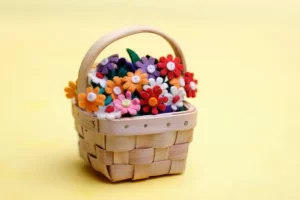
- In interior decoration, felting is used to create fabrics, curtains, tablecloths, decorative molds, flowers, and interior ornaments.
- In handicrafts, felting is used to make felt panels, dumbbells, wall decorations, toys, and other artworks.
- In the art industry, felting is used to produce artistic products like paintings, miniatures, decorative objects, models, and even large art installations.
- Some felting artists sell their creations commercially, ranging from clothes and accessories to artistic and decorative works.
Since felting allows personal creativity and design, its applications greatly depend on individual artists’ creativity and experience.

Introduction to Suitable Felting Fabrics and Their Applications
- Wool Felt
Wool felt is a special kind of fabric made from sheep wool fibers. It is created through the felting process that involves fusing and compressing the wool fibers. Wool felt is widely used in arts and handicrafts. Some characteristics and applications of wool felt include:
Characteristics of Wool Felt:
- It is soft and smooth due to wool fibers.
- It insulates heat well, used in clothing and projects requiring warmth retention.
- It absorbs sound, suitable for acoustic projects.
- It has a dense, compact texture ideal for precise felting projects.
- It can absorb moisture and helps its evaporation.
- Wool fibers make it resistant to wear.
- It accepts dye well and can be made in various colors and patterns.
Applications of Wool Felt:
- Used for clothes, jackets, decorative flowers, and accessories.
- Applied in handicrafts such as felting, doll making, wall decorations, etc.
- Used in making bags, handbags, home decorations, and artistic works.
- For wall fabrics, table covers, and other decorative crafts in interior design.
- In producing artistic images, felt art, and miniatures.
- Making decorative pendants and ornaments from wool felt.
Due to its properties in absorption, heat retention, and diverse applications, wool felt holds a special place in clothing industry and fine arts.
- Acrylic Felt
Compared to wool felt, acrylic felt is made from synthetic acrylic fibers and is not derived from animal wool. Some characteristics and applications of acrylic felt include:
Characteristics of Acrylic Felt:
- It is highly water-resistant, making it suitable for projects exposed to moisture.
- Resistant to slipping, suitable for projects requiring stable surfaces.
- Lightweight, ideal for projects needing volume with low weight.
- Resistant to stains, acrylic fibers do not absorb stains easily.
- Accepts dye well and can be produced in various colors and designs.
Applications of Acrylic Felt:
- Used in making artworks like dolls, wall decorations, pendants, etc.
- Used in decorative items such as ornamental flowers and home decoration pieces.
- Some bags, pouches, and accessories are made of acrylic felt.
- Used in some children’s clothing and costumes like Christmas outfits.
- For making decorative and artistic products like felt pots and boxes.
- Because of its water resistance, used in projects that need environmental durability.
- Needle Felt
Needle felt is made by using special barbed needles to interlock fibers. This process, known as needle felting, is both a technique and product. Some features and uses include:
Characteristics of Needle Felt:
- It has good abrasion resistance due to needle barbs and fiber compression.
- Can form volumetric and 3D structures such as dolls, artworks, and other handmade products.
- Easy to dye and allows use of free color combinations in art projects.
- Useful as an educational material in classes and workshops.
- Faster than traditional felting due to needle action.

Click here: Buy Disposable Vacuum Cleaner Bags
Uses of Needle Felting:
- Used to create dolls, miniature animals, and handmade decorations.
- Used for making artistic images, flags, panels, and other decorative products in handicrafts.
- Some fashion designers use needle felt as a decorative element in clothing.
- Used as an educational medium for teaching handicrafts and felting skills.
- Used to make fantasy art products such as bags, masks, and decorative items.
- As an innovative felting process, it provides many creative possibilities for artists and art business owners.
- Felt Fabric
Felt fabric is a type of cloth made by compressing fibers using heat and pressure. It is widely used in various industries. Some of its characteristics and applications:
Characteristics of Felt Fabric:
- Due to fiber compression and adhesion, it has good abrasion resistance.
- Its dense structure provides good thermal and acoustic insulation.
- Easy to cut and sew because of its fiber structure.
- Suitable for decoration and use in crafts and ornamental product designs.
- Lightweight and soft, ideal for fashion and interior decoration projects.
Applications of Felt Fabric:
- Used in garment parts such as collars and sleeves.
- Used in handmade products like bags, flags, bracelets, and felt flowers.
- Used in decorative products like blankets, pot holders, and felt hangings.
- For making toys, dolls, and children’s decorations.
- Used in artistic images, panels, and other projects.
- Used in fashion industry for accessories like bags, hats, and necklaces.
- Its multiple features make it popular in various industries.
Conclusion
Felting is an ancient art and industry that involves using felt, a special type of fabric. In this art, wool fibers are compressed and combined using pressure, heat, and special needles to form a solid structure. This article explained the felting process, felt characteristics, types of felt, and their applications in various industries.
The article detailed how felt is made from wool fibers and other materials, needle felting or fabric felting processes, and unique properties felt imparts to products. It also introduced types of felt, including woolen felt, acrylic felt, and needle felt, and explored their diverse applications in clothing, handicrafts, and decoration.
Due to its properties such as thermal insulation, abrasion resistance, and possibility to create volumetric structures, felting holds a special place in arts and crafts. This art has been woven since ancient times and is still used today by artists and designers to create beautiful and unique works.