
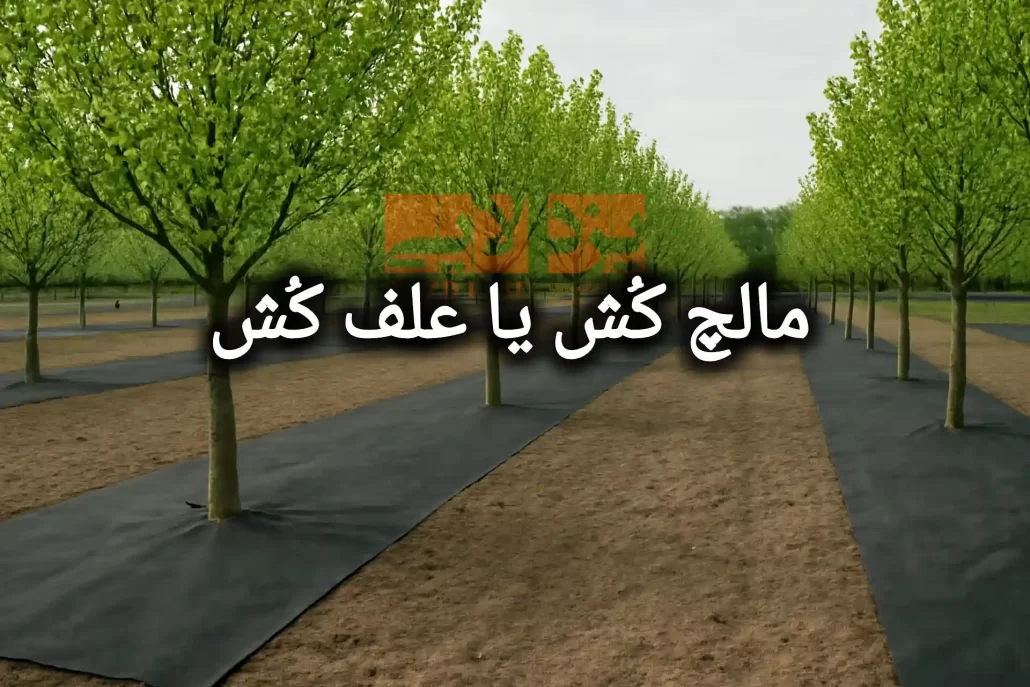
Herbicide or Mulch
A herbicide is a chemical substance used to eliminate and control weeds. It is used in gardens, farms, green spaces within factories, recreational areas, and hotels. Herbicides come in selective, systemic, and contact types. However, they are highly harmful to the environment and human health—especially chemical formulations like glyphosate and Roundup.
Mulch, on the other hand, is an environmentally friendly cover that supports nature and all living organisms related to farms and gardens, standing firmly against glyphosate and Roundup. Mulch is a black fabric produced domestically by Yazdlaie Company, available in weights of 60g/m², 90g/m², and higher upon customer request.
Contrary to popular belief, mulch and herbicides do not perform the same function. The essential difference lies in their mode of action. In herbicide application, nature, humans, main crops, and beneficial soil organisms are harmed and contaminated with chemicals. In contrast, mulch poses no risk to nature, human health, crops, or soil life.
While herbicides eliminate weeds, mulch controls them. The key distinction between the two lies in their approach to weed control and their impact on the environment.

Difference Between Mulch and Herbicide
Mulch:
Mulch prevents the growth of weeds.
It is a physical method of weed control, available in both organic and inorganic forms.
While weed suppression using mulch may take several years, it offers long-lasting results.
Mulch is safe for human health and environmentally friendly.
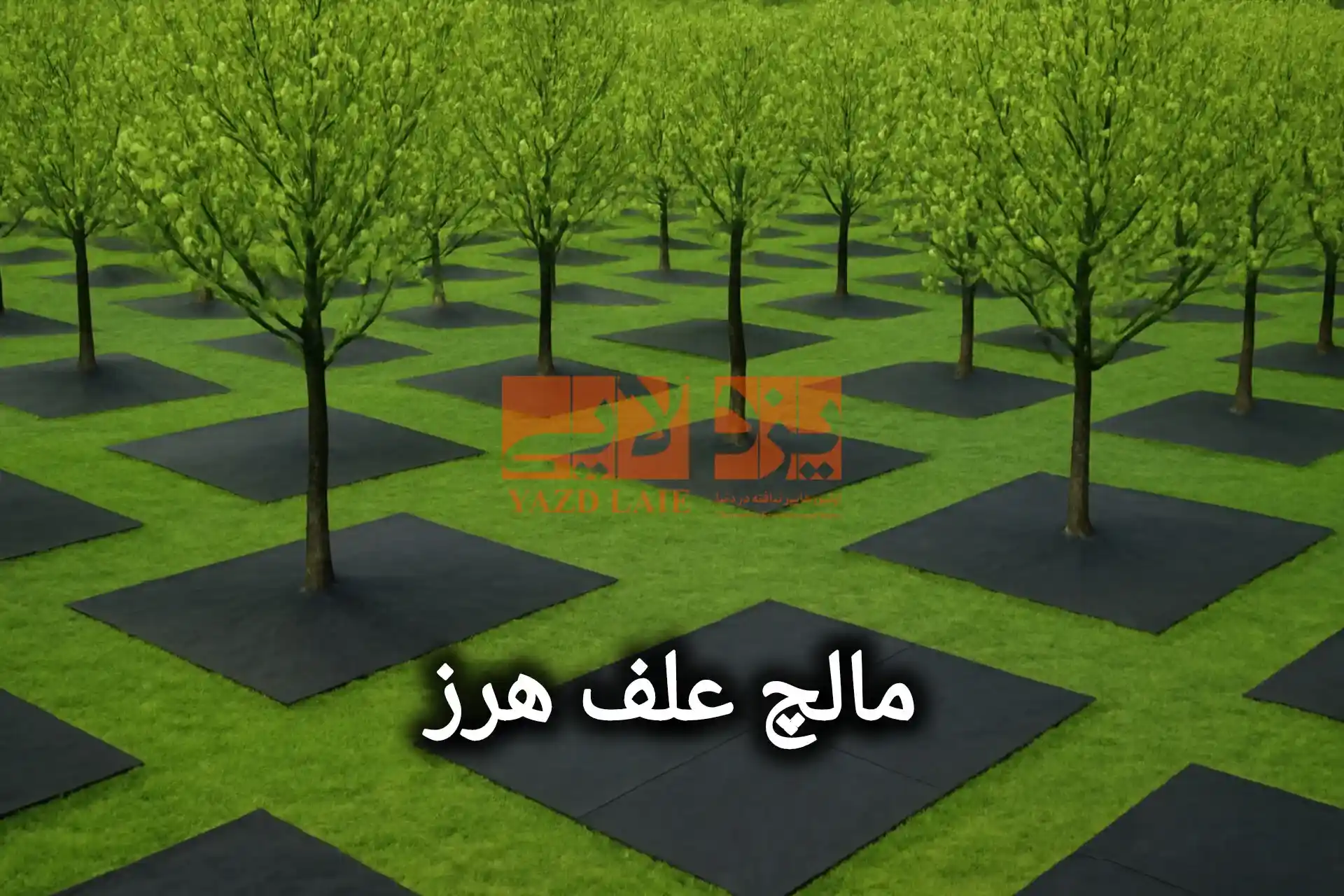
Herbicide:
Herbicides kill weeds.
It is a chemical method of combating unwanted plants.
Herbicides act quickly, but the effect is temporary.
They harm crops and beneficial soil and airborne organisms.
Harms of Herbicides
Herbicides like glyphosate and Roundup pollute soil and water, contaminating underground water sources.
They reduce biodiversity, posing serious risks to ecosystems.
Some herbicides destroy not only harmful plants but also beneficial ones, even drying out crop roots over time.
Farmers often blame climate change and drought, unaware that herbicides are disrupting ecosystems.
Toxic plants consumed by animals and birds lead to death and ecosystem imbalance.
Useful insects like bees and ladybugs are killed.
Excessive herbicide use creates resistant weeds, making them harder to control.
Direct inhalation of banned herbicides like Roundup (still used illegally) and glyphosate severely damages the lungs, causes cancer, weakens the immune and nervous systems, and leads to respiratory illnesses.
Another risk is chemical residue in fruits, vegetables, and grains due to overuse beyond recommended doses.
Irresponsible farmers increase doses due to weed resistance, raising costs and health hazards.
These toxins accumulate in the liver and cause disease.
Mulch, on the other hand, poses none of these risks—it cleans the farm with patience, removes weeds, and delivers healthy, chemical-free crops.
Therefore, based on the above comparison, any rational person concludes that Yazdlaie’s fabric mulch is an excellent alternative for weed control.
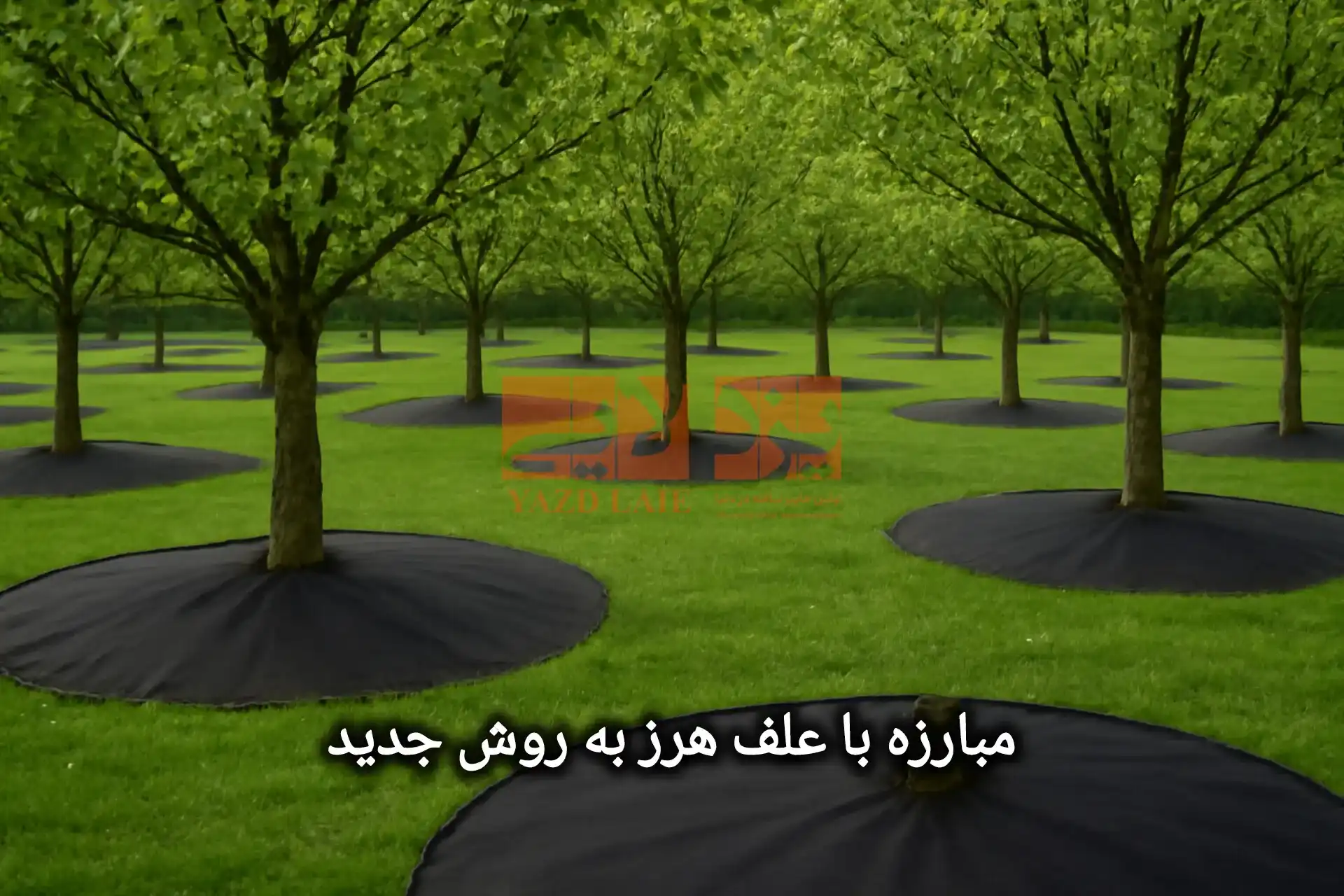
Sales:
Mulch is sold through several methods:
– Direct sales from the factory coordinated by sales experts
– Phone orders via Yazdlaie factory in Yazd Industrial Town with shipping through freight companies
– Online sales through social media and Yazdlaie website with assistance from sales experts
Yazdlaie Company, as a part of its environmental protection initiative, began producing weed mulch—becoming the first company in the country to do so.
Its mission is to save soil, water, and underground resources.
In contrast, herbicide manufacturers harm the land and valuable underground assets, replacing beneficial insects and soil organisms with harmful chemicals.
Our environment is being damaged by these herbicides that pollute water and destroy underground reservoirs.
Thus, to protect our land and ensure future generations have clean resources, mulch must be the preferred choice.
If we care about our health and wish to avoid respiratory and liver diseases caused by chemical sprays, all farmers should unanimously reject herbicides and embrace healthy alternatives like Yazdlaie’s mulch.
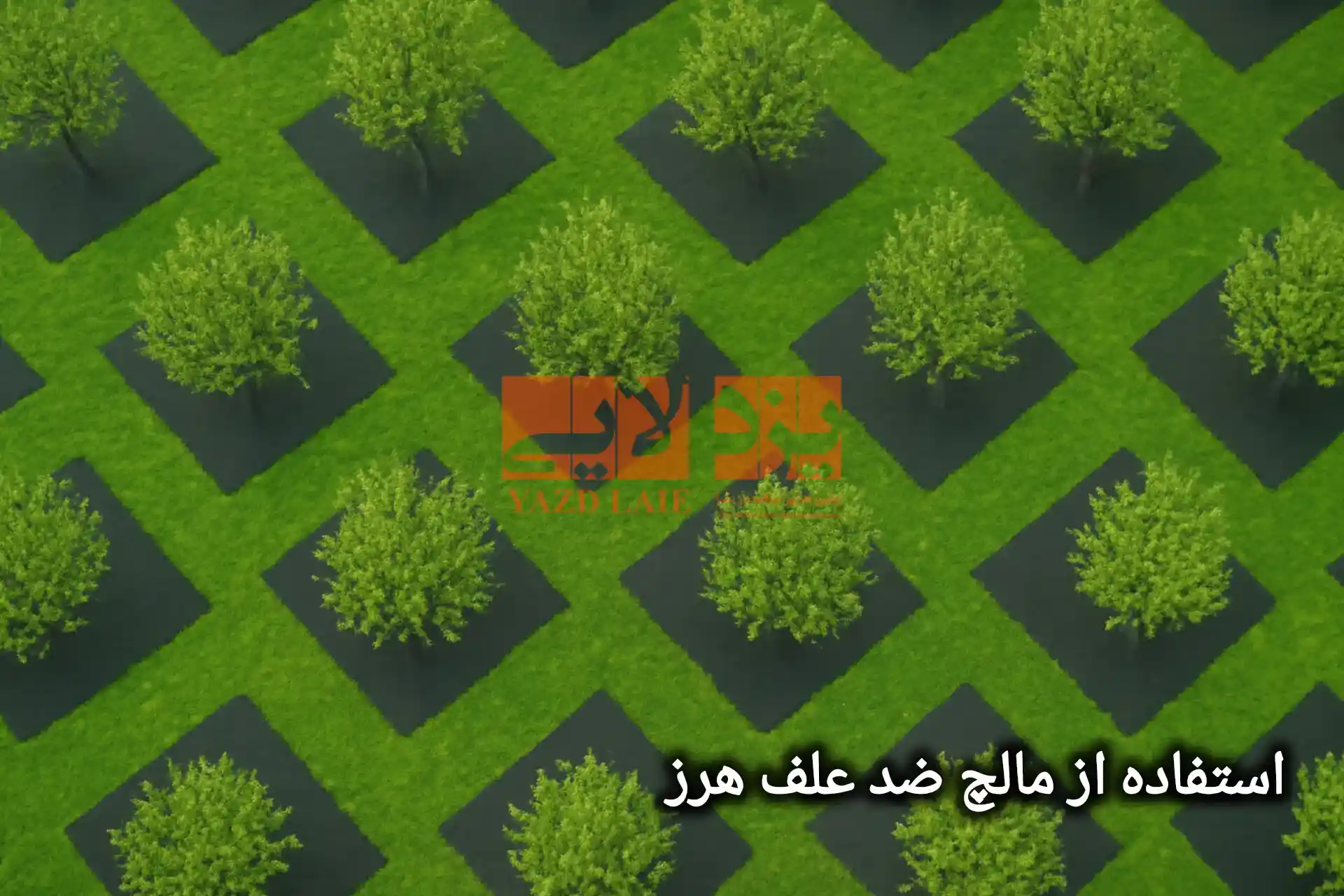
Which Is Cheaper: Buying Mulch or Herbicide?
Purchasing either mulch or herbicide requires investment.
Herbicides range from 600,000 to 3,000,000 Tomans per liter.
Fabric mulch, sold by weight, costs 180,000 Tomans per kilogram—much cheaper than the cheapest herbicide.
Depending on weed type and herbicide resistance, product selection and cost vary.
In agriculture, land is a fixed asset, but input costs (like spraying, fertilizing, plowing, and pruning) are variable.
To reduce variable costs, it’s better to replace herbicides with mulch.
Weed mulch not only costs less but also saves long-term expenses by eliminating the need for repeated herbicide purchases, labor, tilling, and tractor work.
Additionally, herbicide use incurs long-term health costs from respiratory and liver issues that many herbicide-using farmers suffer from.
Treating these illnesses leads to significant emotional and financial burdens.
Price Comparison Between Herbicide and Mulch
To compare costs of products serving the same purpose, consider this:
For one hectare, usage of Super Gallant, Roundup, and Paraquat is 80L, 50L, and 20L, respectively.
Prices per liter: 400,000, 500,000, and 800,000 Tomans.
Total cost per hectare: 32M, 25M, and 16M Tomans.
Add 20M Tomans for labor, totaling 45M, 36M, and 52M Tomans per hectare.
You might think herbicides are cheaper than mulch.
However, herbicides carry hidden costs: soil requires expensive fertilizers, humus, and rooting agents to recover.
Weed resistance increases dosage yearly.
Add future medical treatment for herbicide-related diseases, and herbicides become very costly in the long run.