
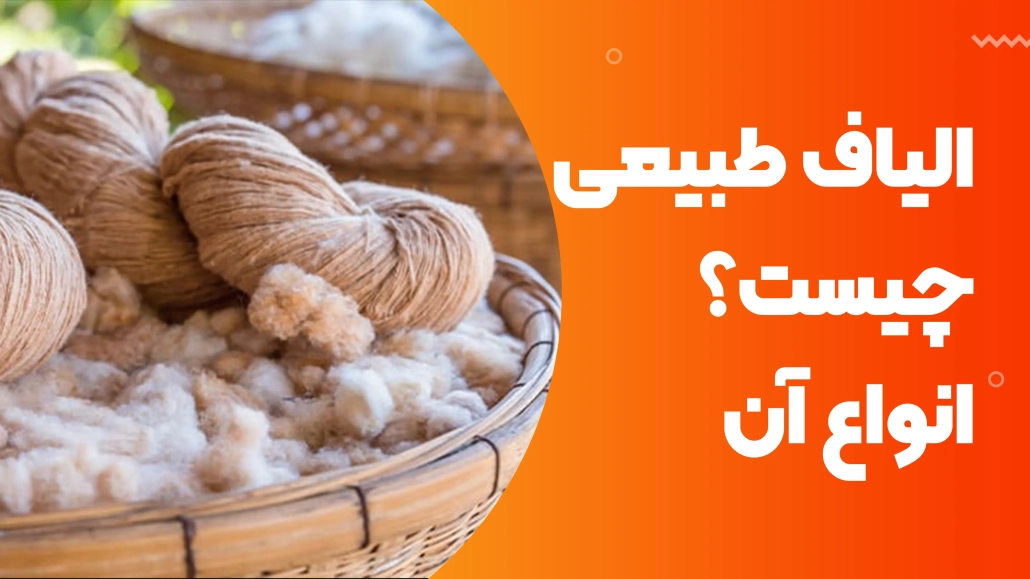
In today’s world, the use of fibers as key components in the production of various materials and products, from clothing and sports equipment to hygiene and medical products, undoubtedly holds a special place. Different types of fibers, including natural and synthetic ones, due to their unique characteristics, advantages, and disadvantages, are important choices in the design and production of diverse products. In this article, we introduce the concept of natural and synthetic fibers and their importance in various industries.
Natural Fibers
Natural fibers are obtained from natural sources such as plants, animals, and minerals. These fibers have been used by humans since ancient times and are one of the most important resources in the production of various items, from clothing and yarn production to paper and hygiene products.
Plant Fibers
Plant fibers are obtained from various plant sources. These fibers include cotton, hemp, jute, jut, and bamboo. Each of these fibers has unique properties and is used in various industries. For example, cotton is one of the most important plant fibers obtained from the cotton plant. These fibers are soft, hypoallergenic, and breathable, and are used for producing clothing, towels, hygiene products, and other uses.
Additionally, hemp is a type of plant fiber obtained from the hemp plant and is used for producing tablecloths, towels, summer clothing, and other items. Plant fibers are one of the broadest sources of raw materials for the textile and clothing industries and play an important role in enhancing the quality and efficiency of final products in this field.
Animal Fibers
These fibers include silk, wool, and down, each with their own specific characteristics and applications. For example, silk is one of the most valuable animal fibers obtained from silkworms. This fiber is very soft and delicate and is used as one of the most luxurious and precious fibers for producing clothing.
Also, wool is a type of animal fiber obtained from the wool of sheep and some other animals. These fibers are soft and warm and are used for producing various types of clothing and textile products. Animal fibers are highly valuable for producing clothing and warming items due to their soft and warm nature.

Mineral Fibers
Mineral fibers are obtained from mines and minerals, including asbestos, glass, and basalt. For example, glass fiber is obtained from glass mines and has characteristics such as resistance to heat, fire, and chemicals. These fibers are used as insulating and strengthening materials in various industries such as construction, automotive production, vehicles, kitchen products, and textiles.
Mineral fibers, due to their specific characteristics, play an important role in enhancing the safety, quality, and performance of final products. However, careful study and adherence to health guidelines to prevent health risks is very important.
Advances and Innovations in the Field of Natural Fibers
The natural fiber industry has always been the focus of much attention and research. Efforts to improve fiber properties, reduce health problems, and increase their applications continue. New research in this field has led to significant advances. Examples of new advances and innovations in the field of natural fibers include:
- Production of heat-resistant natural fibers
- Nanostructured natural fibers
- Use of natural coatings to strengthen fibers
- Renewable natural fibers
These advances and innovations in the natural fiber industry have increased the efficiency, quality, and application of fibers in various industries and also help the environment. Continued research and new advances in this field are expected to improve and expand the use of natural fibers in the future.

Weaknesses and Limitations of Natural Fibers
Although the use of natural fibers has many advantages and applications, they also have specific weaknesses and limitations. These include:
- Limited production in high volumes
- Dependence on weather conditions
- Health issues
- Need for more processing
- Less resistance to contamination and impact
Read more: What is Viscose? A widely used hygienic fabric type
Synthetic Fibers
Synthetic fibers refer to materials that are artificially produced in chemical processes. These fibers are usually composed of polymers as their main material and are produced through more complex processes compared to the production of natural fibers.
Types of Synthetic Fibers:
Polyester: Polyester fibers are produced from materials such as petrochemicals and oil particles. These fibers have gained great popularity in the clothing industry and bedding production due to their resistance to wrinkles, stretching, and buckling.
Nylon: Nylon is also produced from petroleum products as its main material. These fibers are highly resistant to abrasion, stretching, and moisture. For this reason, they are used in the production of sportswear, socks, and industrial products such as bags and shoes.
Polypropylene: This type of fiber is produced from petroleum materials. Polypropylene is used in the production of clothing and bed sheets due to its lightness and resistance to moisture. Also, in some cases, it is used in the production of sportswear.
These examples show the diversity and different characteristics of synthetic fibers based on the raw materials used in their production. Choosing the appropriate type of synthetic fiber depending on the needs and desired characteristics in different products is very important.
Physical and Chemical Characteristics of Synthetic Fibers:
The physical and chemical characteristics of synthetic fibers can be very effective in determining the applications and performance of final products. For example, let’s look at the characteristics of polyester fibers:
Polyester fibers have characteristics such as high resistance to wrinkles and stretching, less buckling compared to other fibers, and high heat resistance. Additionally, these fibers can receive and adhere well to various colors, which is why they are popular in clothing production.
In another example, consider the characteristics of nylon:
Nylon has excellent resistance to abrasion and provides excellent coverage against moisture. For this reason, it is widely used in the production of sports socks that come into contact with sweat. Also, nylon is used in the production of bags and shoes resistant to weather conditions.
These examples show the impact of the physical and chemical characteristics of synthetic fibers on various applications in different industries. Choosing the appropriate synthetic fibers according to the needs of the final product can significantly improve its performance and quality.
Applications of Synthetic Fibers:
Synthetic fibers, due to their unique characteristics, are used in various industries. These fibers are used as alternatives to natural fibers such as cotton or wool in many industrial and commercial fields. As an example, we will examine two areas of application of synthetic fibers:
-
Clothing and Fashion:
Synthetic fibers are used in the production of clothing and garments as alternatives to natural fibers. For example, polyester is used in the production of everyday clothing, sportswear, and raincoats due to its high resistance to wrinkles and good colorability. Also, nylon fibers are used in the production of sports socks and swimwear due to their resistance to abrasion and moisture.
Also, if you have noticed, stores also use bag shops. The material of bag shops or fabric bags can also be made from these types of fibers. Read more What is a bag shop?
-
Medical:
The use of synthetic fibers in the medical field is one of the important developments that has created improvement and development in this industry. Synthetic fibers, due to their specific characteristics, are used in many medical applications. Below we will mention some applications of synthetic fibers in the medical field:
- Dressings and sutures
- Medical prostheses
- Absorbable fibers in hygiene products
- Surgical structures
- Adjustable clothing for specific conditions
One type of hygienic fabric that exists and Yazd Laie Company is responsible for its mass production is Spunbond fabric. This type of hygienic fabric is used in the production of disposable towels and also in the agriculture industry under the name Agricultural Spunbond.
Challenges and Future of Synthetic Fibers:
The widespread use of synthetic fibers in various industries comes with special advantages, but it is also associated with challenges and issues that may be addressed in the future. Below we will mention some challenges and the future of synthetic fibers:
- Environmental sustainability: The production of synthetic fibers may lead to high energy consumption and destruction of natural resources. Some synthetic fibers require a long time to decompose and can lead to environmental pollution.
- Medical applications: Research on synthetic fibers with specific characteristics for use in the medical field, including the production of specialized dressings and absorbable sutures, is ongoing. These applications can create a revolution to some extent in this field.
- Development and improvement of materials: Research in the production of new synthetic fibers with improved characteristics, such as greater heat resistance or better stretch, is still ongoing. These developments can improve the performance of final products.
- Reducing energy consumption: Efforts to reduce energy consumption in synthetic fiber production processes and improve efficiency can help minimize the environmental impacts of this industry.
Overall, the future of synthetic fibers, given continuous research and development in various fields, offers new possibilities for improvement and broader applications. Also, the need for sustainable resource management and environmental conservation in this industry is very important.
Final Word
In this article, we have introduced and explained various types of natural and synthetic fibers, their properties, applications, advantages, and disadvantages. By following these suggestions and making optimal use of them, we can fully utilize the unique advantages and characteristics of each fiber and produce a product that meets the audience’s needs.
