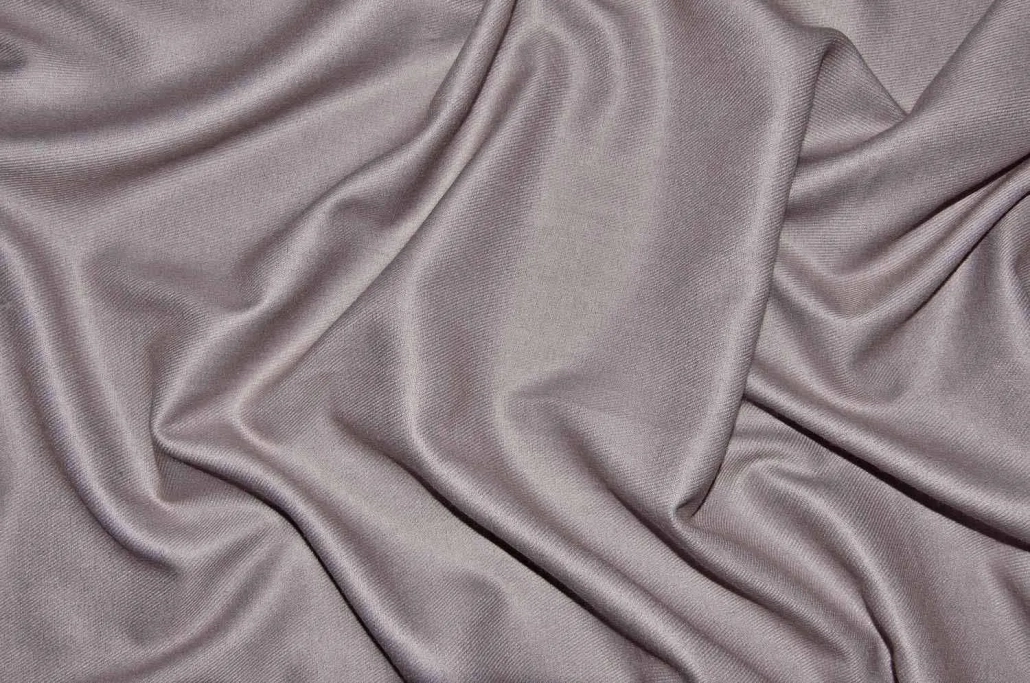
What is viscose? This is a question many users have who want to learn more about this unique fabric. In general, it should be said that viscose is one of the most important and practical fabrics available on the market, which has attracted many users due to its unique properties.
This fabric has gained more popularity among other purchasable fabrics because of these properties. You may find it interesting to know that the main source of this fabric is natural fibers, and for this reason, it can be considered a natural fabric. Stay with us to get more familiar with this remarkable fabric.
Read more: What is Meltblown?

History of Viscose
In the first section of answering the question “What is viscose?” we should review the general history of viscose production in the world. Understanding the history of a specific product helps us gain a better understanding and grasp it more appropriately.
According to available information, the first patent for viscose fabric was registered in 1892. In fact, more than a hundred years have passed since the production of this product, and during this time, it has achieved a very suitable position in the world. After the remarkable properties of this fabric were identified in the early years, users showed great interest, and we quickly saw the use of viscose in various fields.
It is noteworthy that initially the manufacturing company did not intend to sell the fabric, but when they observed the high demand from the public, they decided to turn this product into a commercial one.
These products were somewhat unusual in a world where most fibers were entirely natural. In any case, the use of these fibers increased to such an extent that today we see viscose fibers applied in many different areas. As mentioned, although viscose fibers are not entirely natural, they contain certain natural bases.
Although many inventors have contributed to the production of these fibers, no single individual can be solely credited as the inventor of viscose fibers. Nevertheless, today viscose fibers play a very important role in our lives, and this role will continue in the future.
Click here: Order Promotional Tote Bags
Main Applications of Viscose Fibers
So, what are the applications of viscose? This is another common question we encounter daily. Generally, viscose fibers play a very important role in our lives and have thus become an essential part of everyday life.
The most important applications of these fibers include the production of bed sheets and tablecloths. These two are among the primary uses of viscose fabric that have been discussed historically. Viscose fibers can also be used to make underwear and men’s clothing.
One of the best ways to expand the use of these products is to blend them with other fibers. If you can combine viscose fibers with popular fibers such as cotton and wool, you obtain an exceptional fiber that can be utilized in various domains. For instance, today, combining viscose with wool produces knitted fabrics and even fabrics suitable for men’s and women’s underwear. This has increased the popularity of viscose fibers even more.
Additionally, viscose fibers are also used for the production of various hygienic products and dressing fabrics. Considering the above, viscose fibers have multiple applications that cannot be overlooked. These remarkable fabrics, with excellent design, are an ideal choice for most users and can be easily applied in various fields. By purchasing viscose fabrics, you can fully benefit from their advantages.
Different Types of Viscose
You may ask, what are the different types of viscose? In response, although various types are sold today, they can generally be categorized into four groups. By understanding this classification, you can better comprehend the products and choose the one suitable for your needs.
These four types are: Lycra, Modal, Rayon, and Lyocell. Each of these has unique features that distinguish them from other options. Below, we explain these products in more detail.
Lycra Fabrics
The first and most important type of viscose fabric is Lycra. Its key feature is its excellent elasticity. Some consider Lycra as not part of viscose fabrics, but due to its high stretchability, it can be included in this category.
This high elasticity is exceptional for a fabric. For instance, you can stretch a 100% Lycra fabric up to five times its original size without damaging it or separating its fibers.
Consequently, this fabric is one of the most durable when it comes to size expansion, allowing users to fully benefit from it. Lycra viscose fabrics are highly valued in the production of hygienic products, where their consumption is highest.
Buy Disposable Towels | Click to order.
Modal Fabrics
Another type of viscose fabric is Modal. Modal fabrics are produced by combining viscose with other fibers, and thus they are called blended viscose fabrics. You might ask, what is blended in this type? In these fabrics, cotton is also used alongside viscose to increase usability.
Modal fabrics are used for underwear and towels, and they can also be used to make sleepwear. The most important feature of Modal fabric is its high resistance when wet. Therefore, Modal viscose is an excellent choice for disposable cloths. Today, Modal fabrics are also available in local markets for users to purchase according to their needs.

Rayon Fabrics
What is Rayon viscose fabric? Rayon fabrics are a type of Modal fabric with modified composition to enhance overall strength. Today, some Rayon fabrics have double the strength of Modal fabrics, which is impressive.
Due to this high durability, these products can also be used in applications such as rubber production. They also have various uses in the textile industry, which attracts many users.
Click here: Buy Disposable Vacuum Cleaner Bags
Lyocell Viscose Fabrics
One of the most attractive fabrics on the market is Lyocell viscose. But what is Lyocell viscose? Lyocell is a specific type of Rayon fabric, mainly used in clothing production. Lyocell closely resembles Rayon in appearance.
The most important feature of Lyocell viscose is its high resistance to wrinkling and creasing. Additionally, unlike other viscose fibers, Lyocell can be easily dyed and customized.
How to Care for Viscose Clothing
What is the best way to care for viscose fabrics? One crucial aspect is washing them at a suitable temperature. Also, avoid exposing them directly to sunlight when drying.
If you sweat, wash your viscose clothing immediately, as remaining sweat can damage its original form. Moreover, do not wring viscose fabrics to remove moisture. Iron them while they are slightly damp.
Click here for uses and buy interlining fabrics
